Powerful PM Modi Edible Oil Reduction Appeal: Why Cutting Refined Oil by 10% Could Save India’s Health & Economy
What if a small change in your kitchen could improve your health and strengthen India’s economy at the same time? In a powerful national appeal, Narendra Modi urged citizens to reduce edible oil consumption by nearly 10%, calling it an act of patriotism. His message comes at a time when rising global tensions, supply chain disruptions, and increasing lifestyle diseases are putting pressure on both households and the nation. The Prime Minister’s edible oil reduction appeal is now being widely discussed by economists, nutritionists, and health experts across the country.
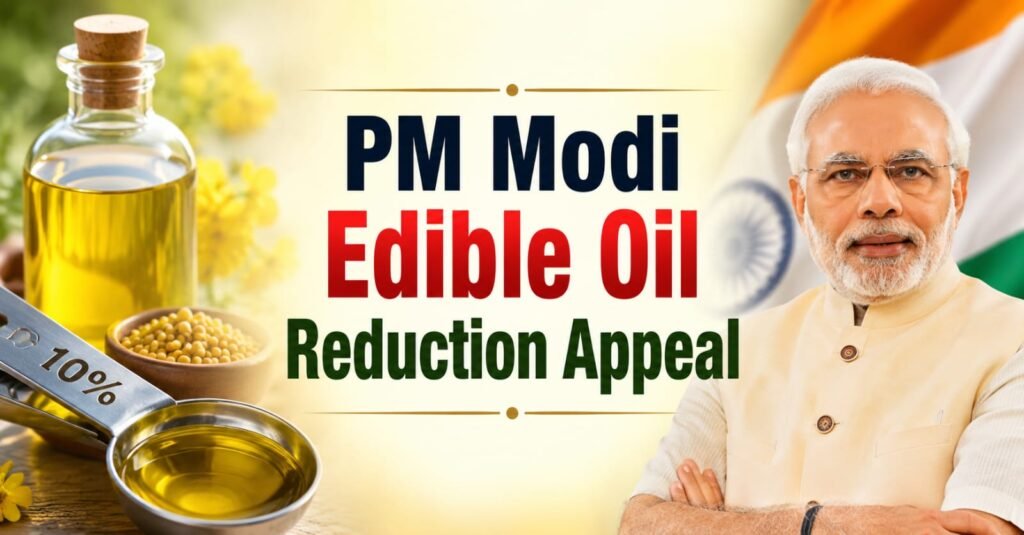
PM Modi Edible Oil Reduction Appeal: A Patriotic Move for India
The PM Modi edible oil reduction appeal focused on two major concerns — India’s growing dependence on imported edible oils and the rising health risks linked to excessive refined oil consumption.
Prime Minister Narendra Modi urged citizens to cut edible oil consumption by about 10%, framing the reduction as a form of “patriotism.” He explained that decreasing our heavy reliance on imported refined oils improves both personal health and the national economy amidst global supply constraints.
Key Highlights of the PM Modi Edible Oil Reduction Appeal
Economic Necessity
India imports a massive amount of its edible oils, amounting to billions of dollars annually. This creates heavy pressure on the country’s foreign exchange reserves. According to the PM Modi edible oil reduction appeal, reducing consumption can lower import dependence and ease pressure on the national treasury.
Health Benefits
Medical experts have widely supported his call, noting that high refined oil intake is linked to obesity, diabetes, and heart disease. Nutritionists believe that reducing refined oil can become a major preventive healthcare step for millions of Indians.
Global Context
Modi linked this appeal to broader economic challenges caused by ongoing conflicts in West Asia, which have disrupted global supply chains and energy markets. These disruptions have increased the cost and uncertainty surrounding edible oil imports worldwide.
Why Reduce Refined Oil?
The PM Modi edible oil reduction appeal also highlighted the long-term impact of refined oils on public health and India’s economy.
Economic Self-Reliance
India imports billions of dollars worth of edible oils annually, putting a heavy strain on the country’s foreign exchange reserves. Cutting usage by just 10% helps protect the national treasury, especially during global supply chain disruptions.
Preventive Healthcare
Nutritionists and medical experts support the Prime Minister’s push, as excessive consumption of refined oils is linked to obesity, diabetes, and cardiovascular issues.
Healthier Fatty Acid Profile
Many heavy, industrial refined oils contain high levels of trans fats and unbalanced Omega-6 to Omega-3 ratios, which may contribute to inflammation. Less refined, natural oils support better cholesterol levels and metabolism.
Traditional Alternatives
Health experts recommend transitioning to cooking methods like steaming, boiling, or roasting, and using cold-pressed oils sparingly to enhance food naturally.
Healthier Alternatives Suggested During the PM Modi Edible Oil Reduction Appeal
Instead of relying heavily on refined oils, experts suggest adopting traditional, low-oil cooking techniques and natural fats.
Cooking Techniques
Use methods like steaming, grilling, roasting, and pressure cooking to keep food flavorful without heavy frying or excessive tadka.
Natural Fats
Incorporate essential fatty acids through whole foods like peanuts, flax seeds, nuts, and other seeds.
Why Switch to Less Refined Oils?
Switching to less refined oils — often called unrefined, cold-pressed, or virgin oils — is considered a major step toward improving metabolic health, reducing systemic inflammation, and maintaining nutrient-dense fats in the diet.
While highly refined vegetable oils like standard canola, soybean, and corn oil are chemically processed to increase shelf life, this intensive manufacturing process strips away many natural nutrients.
The Key Reasons to Switch
Nutrient Retention
Refined oils undergo high-heat, acidic, and alkali chemical treatments. This harsh process destroys vital nutrients, including Vitamin E and beta-carotene. Unrefined alternatives retain these health-supporting vitamins and antioxidants.
No Toxic Chemical Residues
Industrial extraction often relies on chemical solvents like hexane to maximize yield. Choosing cold-pressed or stone-pressed oils helps avoid these heavy chemical solvents in the food supply chain.
Lower Cellular Inflammation
Refined seed oils are highly concentrated in Omega-6 fatty acids. An extreme imbalance of Omega-6 to Omega-3 fats may trigger chronic inflammation associated with heart disease, diabetes, and joint issues.
Reduced Oxidative Stress
Because refined oils are rich in polyunsaturated fatty acids (PUFAs) and processed with extreme heat, they oxidize quickly. Oxidized oil may release free radicals and aldehydes into the system, potentially damaging cells and arteries.
Better Flavor and Aroma
Refining bleaches and deodorizes oils to make them bland. Unrefined oils preserve their authentic aroma and natural flavor, enhancing the taste of meals naturally.
The PM Modi edible oil reduction appeal is not just about saving money on imports — it is also about encouraging healthier lifestyles and smarter food habits. A simple 10% reduction in refined oil usage could benefit millions of families, reduce healthcare burdens, and strengthen India’s economic resilience during uncertain global conditions.
As health experts continue supporting the PM Modi edible oil reduction appeal, many Indians may now begin reconsidering what truly belongs in their kitchens.
What do you think — should India reduce refined oil consumption for better health and economic stability? Share your thoughts in the comments, and stay connected for more powerful national updates, health insights, and stories shaping India’s future.
Disclaimer: This article is published for informational purposes only. Readers are advised to verify details from official sources before making any decisions. The website is not responsible for any loss or damage arising from the use of this information.