Are Flex Fuel Vehicles the Smart Solution or a Warning Sign? 7 Important Truths About India’s Energy Future
In this blog, I want to discuss a question that many people are quietly thinking about: Are we moving forward with technology, or are we slowly returning to methods our ancestors once used? History may not repeat itself exactly, but it often comes back in new forms. As wars, energy crises, and global conflicts continue to create uncertainty, governments and industries are being forced to rethink how modern life operates.
From cooking fuels to transportation, many solutions being developed today have roots in the past. One of the biggest examples is the rise of Flex Fuel Vehicles India, a technology that combines modern engineering with fuel sources that have existed for decades.
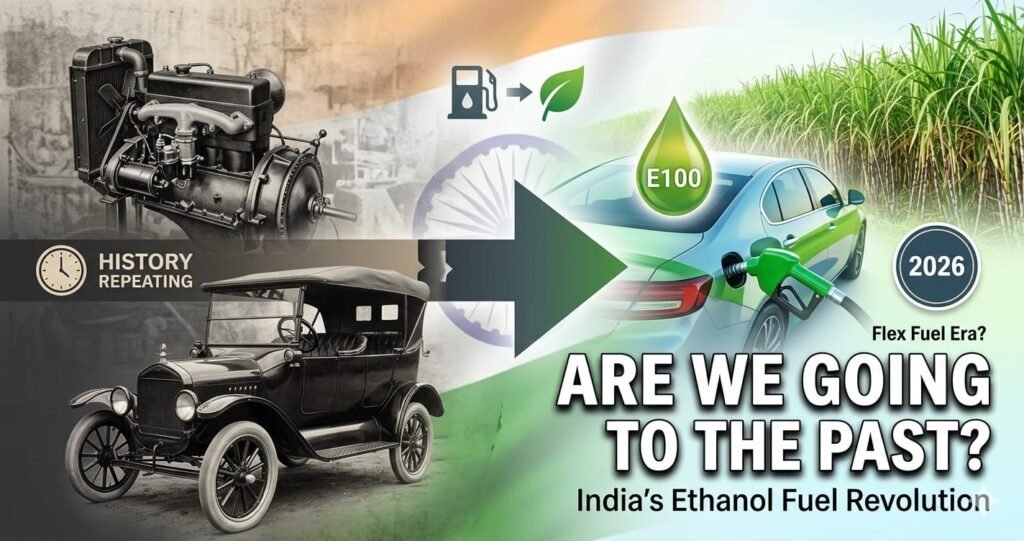
Are We Going Back to Traditional Energy Methods?
Human civilization has always adapted during difficult times. Today, despite major technological advancements, concerns over crude oil supplies, rising fuel costs, and environmental challenges are pushing countries to explore alternatives.
In some regions, people still rely on coal, wood, and traditional cooking methods when modern fuel supplies become expensive or difficult to access. Similarly, the automobile industry is searching for solutions beyond conventional petrol and diesel.
This is where ethanol-based fuels have entered the spotlight.
The Surprising History Behind Ethanol Engines
Many people think ethanol-powered vehicles are a new invention. In reality, the idea is more than a century old.
Between 1890 and 1908, several inventors and automobile manufacturers experimented with ethanol-powered engines. Even Henry Ford designed the original Model T to run on ethanol, which could be produced from crops such as sugarcane.
This shows that some technologies considered futuristic today actually have historical roots.
How Modern Flex Fuel Technology Changed the Industry
The modern era of Flex Fuel Vehicles India is inspired by developments that began in Brazil.
In 1979, Brazil launched the world’s first commercial vehicle capable of running entirely on hydrated ethanol. Over time, manufacturers developed advanced flex-fuel systems that could automatically adjust to different fuel blends, including E20, E85, and even E100 ethanol.
Today, global automakers such as Volkswagen, General Motors, Stellantis, and Maruti Suzuki are investing heavily in Flex Fuel Vehicles .
Why Flex Fuel Vehicles India Are Gaining Attention
India currently imports a significant portion of its crude oil requirements. This dependence creates economic pressure and exposes the country to global energy disruptions.
The push for Flex Fuel Vehicles India is linked to two major national objectives:
Reducing Dependence on Imported Crude Oil
Producing ethanol from domestic agricultural resources such as sugarcane can help reduce reliance on imported fuels.
Lowering Carbon Emissions
Ethanol-based fuels can contribute to cleaner combustion and support India’s long-term environmental goals.
Because of these advantages, the government has been encouraging automobile manufacturers to invest in biofuels and alternative energy solutions.
Maruti Suzuki’s Big Flex Fuel Move
In June 2026, Maruti Suzuki unveiled India’s first mass-market flex-fuel passenger vehicle capable of operating on fuel blends ranging from E20 to E100.
The vehicle was unveiled in the presence of Nitin Gadkari and Hardeep Singh Puri, both strong supporters of alternative fuels and domestic energy production.
The company has also been expanding its portfolio of hybrid, CNG, CBG, and ethanol-based vehicles to support India’s goals of reducing oil imports and lowering carbon emissions.
Can Ethanol Become a Mainstream Fuel?
While the future looks promising, challenges remain. The ethanol ecosystem in India is still developing. Infrastructure, fuel availability, and widespread adoption will take time.
However, industry leaders believe that Flex Fuel Vehicles India can play an important role in the country’s energy transition. Increased ethanol production could create additional income opportunities for farmers while strengthening domestic energy security.
The Bigger Question for the Future
The rise of ethanol technology raises an interesting question: Are we witnessing a return to old ideas, or are we simply reinventing them for a modern world?
Perhaps progress is not always about abandoning the past. Sometimes innovation comes from improving ideas that were ahead of their time. Ethanol-powered engines are a perfect example of how historical concepts can become relevant again when global circumstances change.
As India continues exploring cleaner and more affordable fuel options, Flex Fuel Vehicles India may become one of the most important developments in the country’s transportation future.
Frequently Asked Questions (FAQ)
Disclaimer: This article is published for informational purposes only. Readers are advised to verify details from official sources before making any decisions. The website is not responsible for any loss or damage arising from the use of this information.