CCTV Ban Rumour Explained: China-made CCTV Ban in India Rules from April 1, 2026 Shock Users
This blog explains the truth behind the viral “CCTV ban” news and the China-made CCTV ban in India rules effective from April 1, 2026. It covers new STQC certification requirements, restricted Chinese surveillance brands, and the shift toward safer alternatives. Readers will clearly understand what’s changing, what’s allowed, and how it impacts new and existing CCTV users.
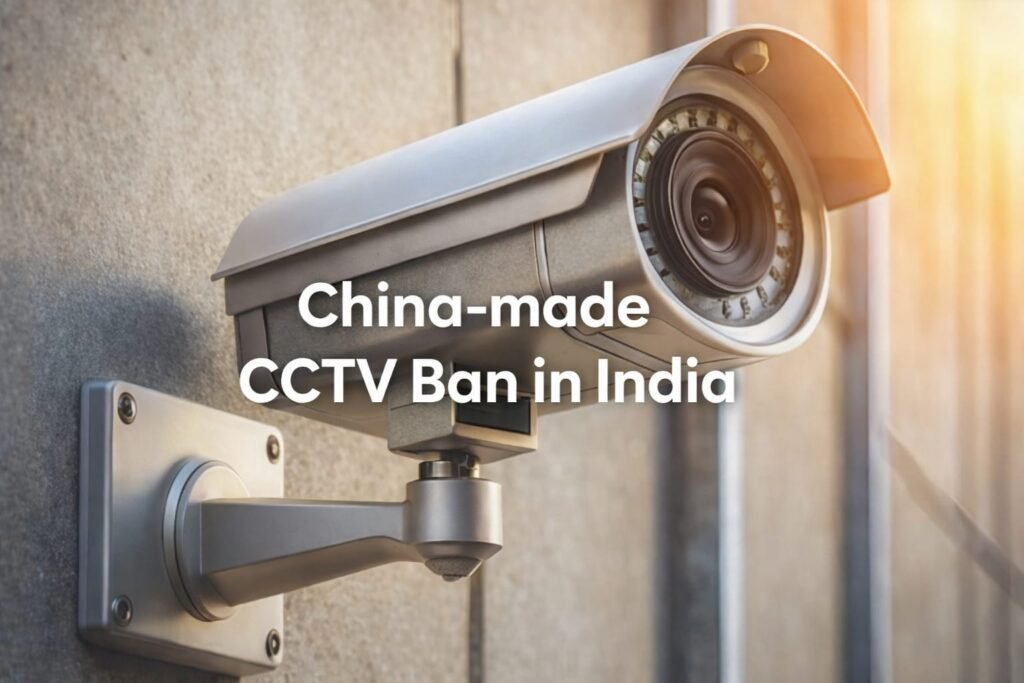
India’s Surveillance Rules Just Changed – But Is CCTV Really Banned?
A major confusion has been circulating online claiming that CCTV cameras are completely banned in India. However, the reality is very different. The government has not banned CCTV cameras, but has tightened regulations on Chinese-origin surveillance equipment under stricter security compliance norms.
From April 1, 2026, a new compliance framework is being enforced, leading to widespread discussion around the term China-made CCTV ban in India. But experts confirm that only certain categories of imported surveillance devices—mainly from China—are being restricted through certification and security approval systems.
What Exactly Is the China-made CCTV ban in India?
The so-called China-made CCTV ban in India is actually a regulatory tightening rather than a total ban. India is restricting approvals for surveillance products from major Chinese companies such as:
Hikvision
Dahua
TP-Link
These restrictions are being implemented through mandatory STQC (Standardisation Testing and Quality Certification) norms under the Ministry of Electronics and Information Technology (MeitY).
Under the updated framework, surveillance devices must pass strict security testing before they can be sold or installed in India. This is why the phrase China-made CCTV ban in India is widely used, even though it is technically a certification-based restriction.
Why Is the China-made CCTV ban in India Being Enforced?
The government has highlighted several reasons behind this move:
1. National Security Concern
Surveillance devices are considered sensitive because they capture real-time footage. Authorities fear that some devices could transmit data to foreign servers, raising privacy and security risks. This concern is a key driver of the China-made CCTV ban in India policy discussions.
2. Stricter STQC Certification
All CCTV and IoT devices must now comply with STQC testing, which evaluates firmware security, hardware integrity, and vulnerability risks. Without approval, devices cannot enter the Indian market.
3. Chinese-Origin Chipsets
Reports suggest that products using Chinese-made chips or firmware may face rejection during certification. This is a central point in the China-made CCTV ban in India enforcement strategy.
4. Geopolitical and Cybersecurity Strategy
India’s broader cybersecurity approach includes reducing dependence on foreign surveillance technology, especially from countries with geopolitical tensions.
Impact on the CCTV Market in India
The China-made CCTV ban in India is expected to significantly reshape the surveillance industry.
Market Shift Toward Domestic Brands
Indian companies are expected to benefit from this shift, including:
CP Plus
Qubo
Prama
Matrix
These brands are rapidly expanding to fill the gap created by the China-made CCTV ban in India.
Price Increase in the Market
Industry reports suggest that the shift away from Chinese components may increase system costs by 15–20%, affecting installation prices for consumers and businesses.
Is It Illegal to Use Existing CCTV Cameras?
No. The China-made CCTV ban in India does NOT make existing installations illegal.
Existing CCTV systems from Chinese brands can continue to operate
The rules mainly affect new imports, sales, and government procurement
Users are advised to follow basic security practices like changing passwords and isolating networks
So, the China-made CCTV ban in India is about future compliance, not immediate removal.
How to Check If Your CCTV Is Approved
If you are planning to buy a new system under the China-made CCTV ban in India guidelines, follow these steps:
These steps help ensure your system meets current security norms under the China-made CCTV ban in India framework.
The so-called China-made CCTV ban in India is not a complete ban on surveillance systems, but a strategic security-driven regulation aimed at strengthening data protection and reducing foreign dependency in critical infrastructure.
As India moves toward stricter digital security, consumers should stay informed and choose certified devices only.
Now your turn: Do you think this move will make India’s security stronger or increase CCTV costs for users? Share your thoughts in the comments below—we’d love to hear your opinion!
Disclaimer: This article is published for informational purposes only. Readers are advised to verify details from official sources before making any decisions. The website is not responsible for any loss or damage arising from the use of this information.