Weather 2026 Report: Extreme Climate Conditions Disrupt Normal Life in India and Across the World
Global and national weather patterns are showing unusual extremes in 2025 and early 2026, with 2025 being among the hottest years on record and scientists reporting rapidly shifting climatic behavior. At the same time, several regions, including parts of India, are witnessing severe cold waves, dense fog, snowfall, and storm activity that are not typical for this season.
Weather is commonly understood as simple changes between hot and cold conditions. However, in 2025 and early 2026, climatic changes do not seem normal due to global warming. Excessive use of air conditioners, solar panels, air blowers, and rapid industrialisation has caused drastic changes in climate over the past few years. Geologists have repeatedly warned about future environmental challenges, but human behaviour often remains careless about long-term consequences.
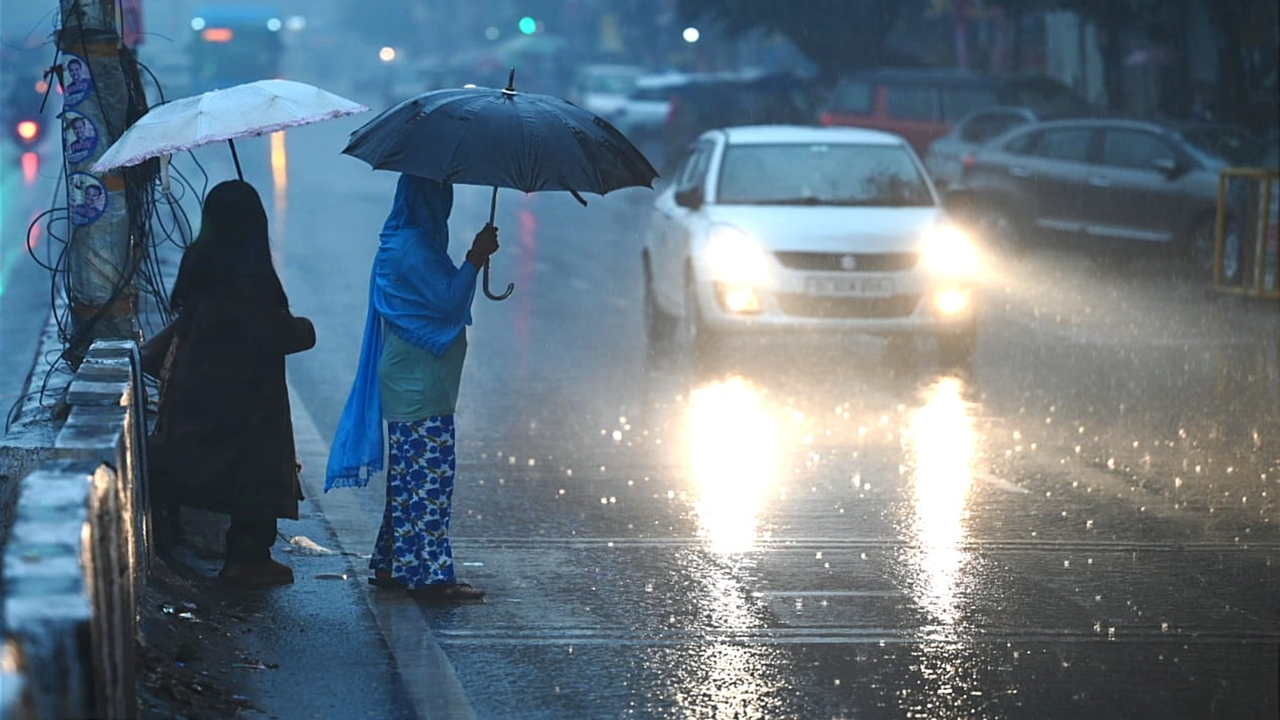
Weather 2026 India:Cold Waves and Dense Fog Impact North India
December 2025 and the first week of January 2026 witnessed severe cold waves along with dense to very dense fog across North India. Till January 20, many regions faced health issues, road accidents, flight delays, and railway disruptions due to poor visibility and extreme cold. Metro cities like Delhi also struggled with air quality issues even during the winter season.Although there was brief relief when sunshine appeared in some areas, cold wave conditions continued to affect northern plains, including Delhi-NCR, with chilly winds and low temperatures.
Western Disturbances Trigger Snowfall in Hill States
As Weather 2026 India patterns continued to evolve, lightning, thunderstorms, and gusty winds were reported in several parts of the country. Western disturbances remained active, causing repeated weather fluctuations. During the third week of January, fresh snowfall in hill states initially brought happiness, especially during a long weekend when many tourists visited hill stations.However, heavy snowfall soon created problems. Slippery roads, long traffic jams, shortage of hotel accommodations, and vehicle queues were reported at the outskirts of Shimla, Nainital, and Mussoorie. Several tourists faced difficulties related to shelter, food, and rest due to sudden weather changes.
Planned Travel Reduced Risks Amid Extreme Winter Conditions
In contrast, travellers who planned their trips in advance were relatively better prepared to manage the impact of heavy snowfall and extreme winter conditions. Still, sudden changes caused disruptions in many hill regions, where road closures, traffic congestion, and flight delays were reported.The situation highlighted the importance of advance planning during winter travel, including confirmed hotel bookings and carrying basic essentials such as food, water, and necessary supplies for children. Authorities advised travellers to stay updated with official weather forecasts.
Snowfall Brings Mixed Impact in Uttarakhand and Himachal Pradesh
In Uttarakhand, snowfall was reported in areas that had not experienced it for nearly 15 to 18 years, making local residents feel blessed. Tourist visits added to the happiness of villagers. Kangra, Chamba, and other parts of Himachal Pradesh also received heavy snowfall.However, several highways and local routes were closed due to snow accumulation. Avalanche warnings were issued in vulnerable areas, and authorities made arrangements to shift people to safer locations. Agriculture, horticulture, and daily wage labourers suffered due to fog, cold waves, and snowfall.
IMD Alerts and Global Weather Impact
According to the India Meteorological Department (IMD), Weather 2026 India is expected to remain unstable between January 26 and 28. Parts of Uttarakhand and Himachal Pradesh were placed under orange and yellow alerts for snowfall and storms, while heavy rain and strong winds were forecast in some regions.Extreme winter conditions were also reported in the United States, Canada, and Russia. Winter storms disrupted power supply, transport services, and daily life, highlighting that abnormal weather patterns are affecting countries across the world.
Experts warn that underground and drinking water shortages, melting snow, and increasing avalanche risks are serious warning signs. Authorities continue to monitor the situation as extreme and unpredictable weather events become more frequent, affecting daily life and infrastructure.