North India Weather Alert: Western Disturbance Triggers Fresh Spell of Severe Weather From February 2, 2026
From 2 February 2026, as already predicted in our blog, disturbed weather conditions are set to return once again. After a brief relief from cold waves, gusty winds and lightning, weather is going to turn worse for the next 2–3 days, dates may vary across several parts of India.
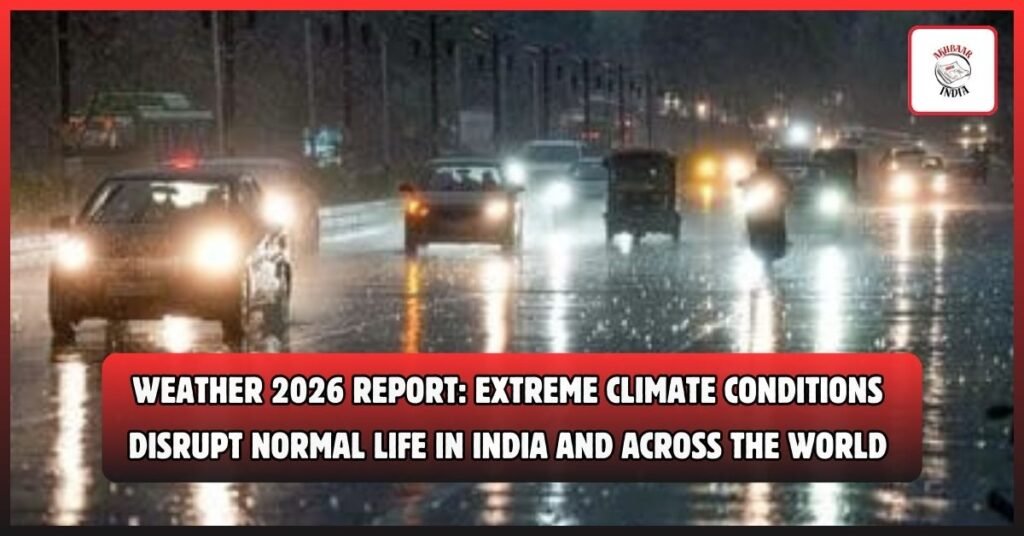
According to updates, from midnight there will be warnings of thunderstorms, lightning and rain over parts of Punjab, Haryana, Uttar Pradesh and nearby regions. The North India Weather Alert has been issued keeping in view the sudden intensification of weather systems.
Thunderstorm and Rain Warning Issued for North Indian Plains
Meteorological sources indicate that rainfall and thunderstorm activity may affect western and central parts of Uttar Pradesh. Areas including Noida, Ghaziabad, Mathura, Muzaffarnagar and the entire NCR belt are under alert.
Lightning, gusty winds and brief spells of rain may disrupt normal life, traffic movement and daily activities. Authorities have advised people to remain cautious, especially during late-night and early-morning hours.
Also Read: Weather 2026 Report: Extreme Climate Conditions Disrupt Normal Life in India and Across the World
Snowfall Expected in Himalayan and Northeast Regions
In the Himalayan regions and North-East India, rainfall and snowfall are expected to intensify. States like Himachal Pradesh, Uttarakhand, Jammu and Kashmir may experience moderate to heavy snowfall accompanied by strong winds.
Wind speeds may range between 40 to 50 km per hour, which could impact road connectivity, especially in hilly terrains. The North India Weather Alert also highlights the risk of landslides and slippery roads in higher altitudes.
Dense Fog to Impact Travel Across Multiple States
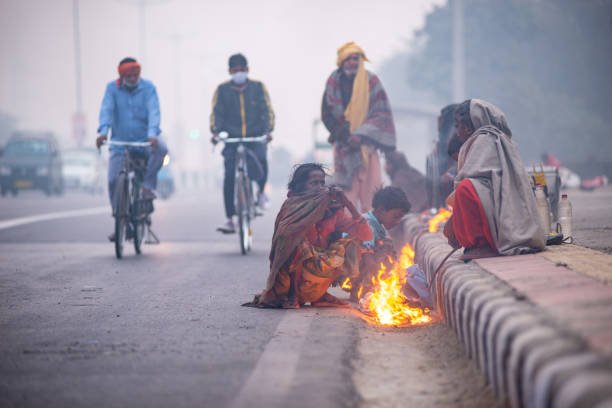
Dense fog is likely to cover several parts of Punjab, Haryana, Rajasthan, Bihar and adjoining areas. Visibility in some regions may drop sharply, affecting air, road and rail services.
The India Meteorological Department (IMD) has issued an orange alert of fog for 22 states, warning that visibility could drop close to zero at some places. This North India Weather Alert urges travellers to postpone non-essential journeys.
Temperature Dip in Northwest, Rise in Central and Southern States
Temperature patterns remain uneven across the country. In north-west India, minimum temperatures may fall to around 3 degrees Celsius, intensifying cold wave conditions.
Meanwhile, parts of Uttar Pradesh, Maharashtra and Chhattisgarh may witness a slight rise in temperatures, according to the meteorological department. This contrast in temperature is adding to weather instability across regions.
Western Disturbance and Bay of Bengal Winds Behind Double Impact
The renewed spell of severe weather is being attributed to an active western disturbance, combined with moisture-laden winds coming from the Bay of Bengal. This sudden activation has intensified rain, fog, cold waves and strong winds simultaneously.
This North India Weather Alert explains the “double attack” of cold waves and moisture systems, making weather conditions unpredictable and severe in many regions.
Authorities Advise Caution Amid Weather Disruptions
The meteorological department has issued alerts for North India, advising people to take precautions before stepping out. Foggy conditions may impact daily commuting, flights and train schedules.
Travellers are advised to use fog lights, maintain safe distance from other vehicles, and avoid unnecessary travel during early morning and late night hours.
Stay Updated as Conditions Remain Volatile
Weather conditions are expected to remain volatile for the next few days, with sudden changes possible. Residents in alert zones should stay updated with local advisories and follow safety guidelines strictly.
This North India Weather Alert serves as a reminder that winter systems are still active and can intensify quickly.
What is the weather like in your area right now?
Have you faced travel issues due to fog or rain recently? Share your experience in the comments below.