Mahashivratri 2026: Date, Puja Timings, Rituals and Spiritual Significance Explained
Samb Sadashiv viewers
In India many sacred festivals are celebrated, and Mahashivratri 2026 is one of them. From its name Maha-shiv-ratri, one may not imagine what is actually hidden behind it. As we call it Mahashivratri, it means a great day in the life of Lord Shiva. It becomes even more important when Mata Parvati’s name is associated with Lord Shiva.
Maha means great and Shivaratri means the night of Lord Shiva. It marks the sacred reunion of Lord Shiva and Mata Parvati. It is also believed to be the night when Shiva saved the world from poison and performed the cosmic Tandava dance. Among the 12 Shivratris occurring in a calendar year, Mahashivratri 2026 is considered the most significant.
Date and Importance
In 2026 this auspicious Mahashivratri 2026 falls on 15 February. The festival is celebrated annually in February or March during the Phalguna/Magha month.
The festival commemorates the divine marriage of Lord Shiva and Goddess Parvati. Devotees engage in jagran (staying awake all night) to channel spiritual energy. Chanting of “Om Namah Shivaya” and meditation continue throughout the night.
Rituals and Fasting Traditions
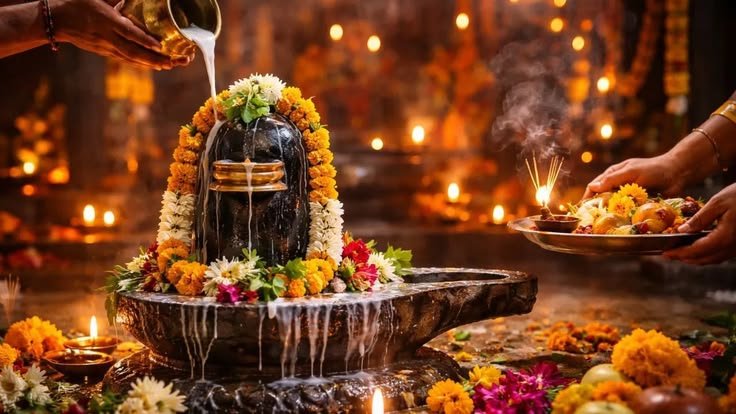
Common rituals include performing Abhishek (ritual bathing) of the Shiva Lingam with milk, honey and water and offering bel leaves (bel patra).
During Mahashivratri 2026, devotees observe strict fasts. They consume fruits, milk, sabudana and nuts while grains and non-vegetarian items are strictly avoided. Some devotees even observe nirjala vrat without water.
Recitation of Om Namah Shivaya and the Maha Mrityunjaya Mantra can be heard everywhere as devotees pray with deep devotion.
Maha Shivaratri 2026 Pahar Puja Timings (Approx. IST)
The night of Mahashivratri 2026 is divided into four pahars:
First Pahar (6:11 PM – 9:23 PM, Feb 15)
Abhishekam with milk for purification.
Second Pahar (9:23 PM – 12:35 AM, Feb 15–16)
Abhishekam with curd for prosperity.
Third Pahar (12:35 AM – 3:47 AM, Feb 16)
Abhishekam with ghee for inner strength.
Fourth Pahar (3:47 AM – 6:59 AM, Feb 16)
Abhishekam with honey for balance.
Nishita Kaal (Main Puja): 12:09 AM – 1:01 AM on Feb 16
Apart from this, Nishita Kaal Puja can also be performed during this sacred time.
Spiritual Practices on the Night
On the night of Mahashivratri 2026, devotees perform Shiva Aarti “Om Jai Shiv Omkara” and sing hymns with fasting and full devotion, believing it fulfills wishes.
The festival also coincides with the final day of the Maha Kumbh Mela in Prayagraj. This night is considered a moment when personal energy aligns with spiritual energy, promoting consciousness, mental clarity and prosperity.
Mahashivratri 2026 is not only a religious festival but also a spiritual experience observed through fasting, meditation, chanting and devotion. It symbolizes balance, transformation and divine union.
Timings may vary slightly based on local calendar traditions.
Wish you all a Happy Mahashivratri which brings abundance, prosperity and peace to the whole world.
Jai Shankar
Jai Maa Parvati