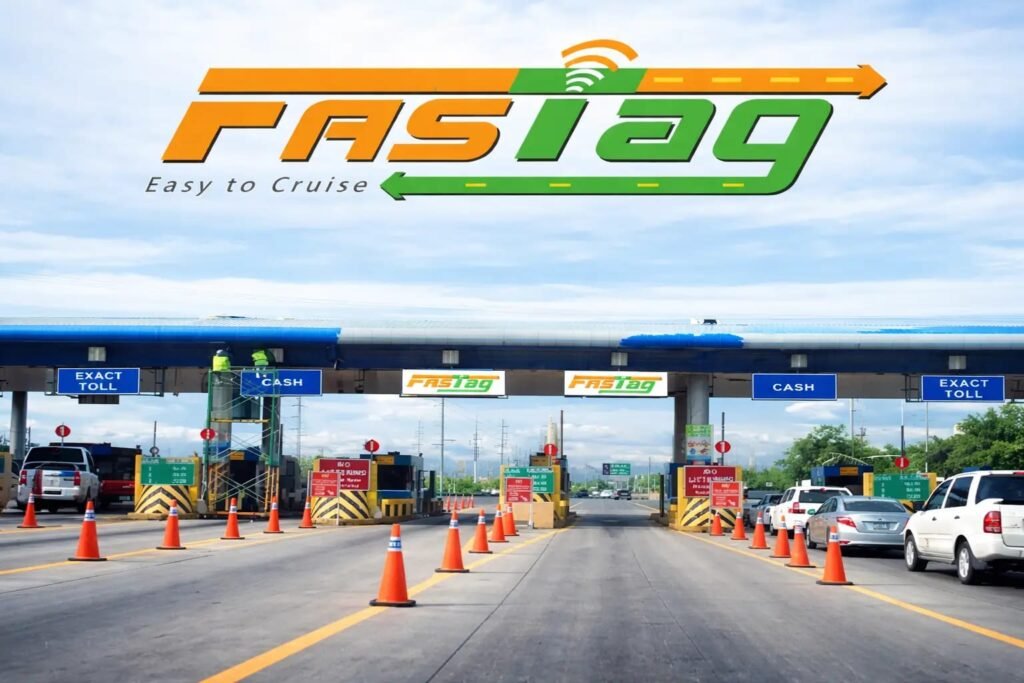
FASTag Annual Pass Price Hike 2026: Pay More from April 1 — Check New Rate
For readers who frequently travel on national highways, staying updated with policy changes can help avoid unexpected expenses or confusion at toll plazas. In today’s update, we are informing you about the FASTag Annual Pass Price Hike 2026, which will come into effect from April 1, 2026. Knowing the new price, rules, and benefits in advance can help frequent travelers plan their toll expenses and even secure the current rate before the revision takes effect.
FASTag Annual Pass Price Hike 2026: New Price Effective April 1
A new toll update is set to impact regular highway commuters across India. Under the FASTag Annual Pass Price Hike 2026, the cost of the FASTag Annual Pass for private vehicles will increase by roughly 2.5%, moving from ₹3,000 to ₹3,075.
This revision has been introduced as part of the regular annual adjustment by the National Highways Authority of India (NHAI).
The annual pass is designed for people who frequently cross toll plazas. It allows up to 200 toll plaza crossings annually and remains valid for one year from the date of activation.
Key Benefits After FASTag Annual Pass Price Hike 2026
Even with the FASTag Annual Pass Price Hike 2026, the structure of the pass remains mostly the same and continues to benefit regular commuters.
Annual Pass Features
The pass is non-transferable, which means it is linked to the specific vehicle’s FASTag. Once the 200-trip limit is reached, the system automatically switches back to the standard toll deduction rates.
FASTag Issuance Charges and Purchase Cost
Apart from the FASTag Annual Pass Price Hike 2026, the standard FASTag issuance charges remain unchanged.
The tag issuance cost is typically around ₹100 to ₹150, along with a refundable security deposit depending on the issuing bank.
In most cases, the initial purchase cost ranges between ₹200 and ₹500, including the tag cost, security deposit, and minimum balance.
FASTags are issued by several banks and digital payment platforms, including services integrated with apps such as Paytm.
New Tolling Rules Linked to FASTag Annual Pass Price Hike 2026
The FASTag Annual Pass Price Hike 2026 also comes alongside upcoming technology-driven updates in India’s toll collection system.
By April 1, 2026, the government aims to implement AI-driven barrier-free tolling, allowing vehicles to pass toll plazas without stopping while tolls are automatically deducted through FASTag.
To prevent misuse, compulsory KYC verification for FASTag users will be enforced.
Another expected change is the shift toward fully digital toll payments, where cash payments may be completely replaced by FASTag and UPI-based payments across national highway toll plazas.
Who Can Use the FASTag Annual Pass?
Even after the FASTag Annual Pass Price Hike 2026, eligibility rules remain unchanged.
The pass is available only for private non-commercial vehicles, including:
The FASTag must be properly fixed on the windshield and remain active for the annual pass to function correctly.
Users can activate the pass through the Rajmargyatra app or the NHAI website, without purchasing a new FASTag.
Last Chance Before FASTag Annual Pass Price Hike 2026
Frequent travelers still have a short window to avoid the revised price.
Anyone purchasing the annual pass before March 31, 2026, can still secure it at the current price of ₹3,000.
For commuters who regularly cross toll plazas, buying the pass before the price hike could offer useful savings throughout the year.
Our blog’s aim is always to keep readers aware of new policy changes in advance so that you remain informed and avoid any inconvenience while traveling.
Do you think the FASTag Annual Pass Price Hike 2026 will affect your regular highway travel? Share your thoughts in the comments — your experience could help other readers as well.
Disclaimer: This article is published for informational purposes only. Readers are advised to verify details from official sources before making any decisions. The website is not responsible for any loss or damage arising from the use of this information.