After 2025, Bharat Bandh Returns: Why 12 February 2026 Matters
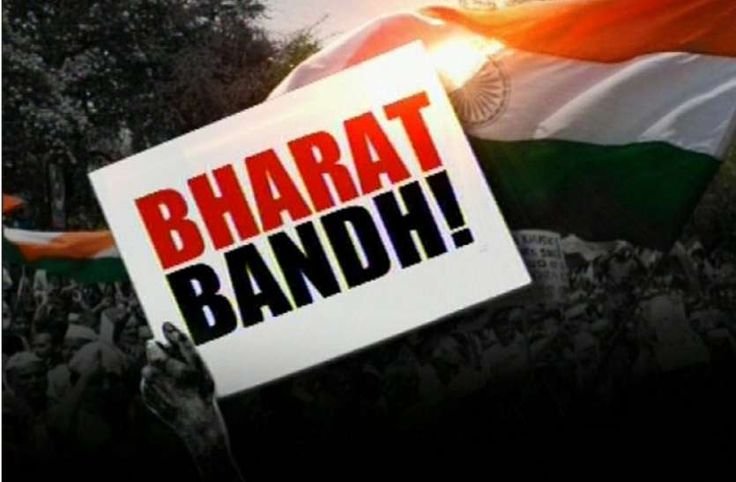
India is set to witness another nationwide shutdown as trade unions call for a Bharat Bandh on 12 February 2026, marking the first major general strike since 2025. The strike, scheduled for Thursday, has been announced by a joint platform of central trade unions and agricultural workers’ organisations.
The call for the Bharat Bandh 12 February 2026 comes amid growing opposition to central government policies that unions describe as anti-worker, anti-farmer, and pro-corporate. Preparations are underway across rural and urban India, with large-scale participation expected.
Trade Unions Announce Nationwide Strike Call
The All India Trade Unions Congress (AITUC) General Secretary Amarjeet Kaur confirmed the final date of the strike, stating that the bandh will be observed across the country after nearly one year. According to union leaders, this is the first nationwide general strike since the large-scale agitation held in 2025.
A joint platform of 10 central trade unions has reaffirmed the strike date, calling for unified action against what they term adverse labour and agricultural policies.
How the 2025 Strike Set the Stage
In 2025, an estimated 25 crore workers, traders, and allied groups participated in nationwide protests across nearly 550 districts. The impact of that agitation was mixed, with several BJP-ruled states showing limited participation.
Union leaders say the experience of 2025 has influenced the planning for the Bharat Bandh 12 February 2026, with broader mobilisation efforts and stronger coordination at the district level.
Expected Participation and Regions Likely to Be Affected
Participation in the Bharat Bandh 12 February 2026 is expected to be significantly higher. Trade unions estimate that nearly 40 crore workers and citizens could join the strike, spanning around 600 districts nationwide.
States such as Odisha and Assam are expected to witness a near complete shutdown, according to union statements. The strike is expected to affect government offices, public sector units, private industries, and industrial areas in both rural and urban regions.
Who Is Participating in the Strike?
The bandh has drawn participation from a wide range of groups, including:
Unions claim that notices have already been issued, and preparations are in full swing across multiple sectors.
Key Demands Behind the Bharat Bandh 12 February 2026
The primary demands of the unions include the withdrawal of four labour codes, which they argue will weaken labour protections, restrict the right to strike, dilute social security provisions, and favour corporate interests.
Unions have also opposed the proposed VB-G RAM G scheme, stating that it could undermine rural employment. Other demands include:
Agricultural workers’ unions are participating with demands linked to MGNREGA, seeking restoration and expansion of employment guarantees.
Opposition to Employment and Rural Policy Changes
Trade unions are also demanding the withdrawal of the Viksit Bharat – Guarantee for Rozgar and Ajeevika Mission (Gramin) Act, 2025, arguing that it weakens existing employment safeguards.
According to union leaders, the Bharat Bandh 12 February 2026 is aimed at protecting workers’ rights, ensuring rural livelihood security, and opposing policy changes they believe harm labour and farming communities.
What to Expect on 12 February 2026
With large-scale participation expected, disruptions to transport, banking, government services, and industrial operations are likely in several regions. While the extent of shutdown will vary by state, the strike is set to be one of the most significant nationwide protests since 2025.
As India prepares for the Bharat Bandh 12 February 2026, all eyes remain on how widespread the impact will be and how the government responds to the growing resistance.
Do you think the Bharat Bandh will influence labour and rural employment policies? Let us know your opinion in the comments.
Disclaimer: This article is published for informational purposes only. Readers are advised to verify details from official sources before making any decisions. The website is not responsible for any loss or damage arising from the use of this information.