Extreme Heatwave Crisis: Smart Transformer Cooling Methods Prevent Massive Grid Failures
As heatwaves become more brutal across India, electricity transformers are facing dangerous pressure from nonstop power demand. With temperatures crossing critical levels and AC usage surging, power departments are racing to stop transformer explosions, blackouts, and grid failures before they spiral out of control. From giant coolers and water sprinklers to AI-based smart monitoring systems, utilities are now using both “desi jugaad” and advanced engineering to protect the power grid during extreme heatwave conditions.
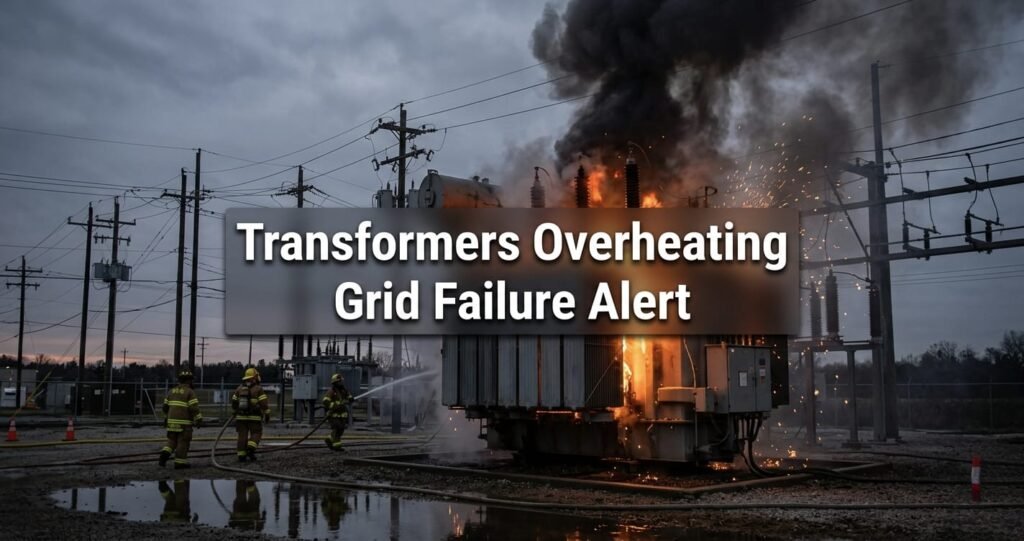
On-Site Tactical Cooling: The “Desi Jugaad” Transformer Cooling Method
To save electrical transformers from extreme heatwave conditions and prevent grid failures, power departments are adopting innovative on-the-ground cooling solutions alongside advanced technological upgrades.
Giant Coolers and Mist Fans Protect Transformers During Extreme Heatwave
Electricity boards in heatwave-prone regions like Uttar Pradesh, Delhi, and Nagpur are physically placing large industrial coolers and mammoth fans directly in front of overloaded transformers. These emergency cooling setups help reduce transformer temperature during an extreme heatwave and lower the risk of sudden failures.
Water Sprinklers Help Prevent Transformer Overheating in Extreme Heatwave
Emergency crews are actively bathing substations in water mist or manually sprinkling cold water on transformer radiators to bring core temperatures down from dangerous levels above 80°C to safer operating zones near 50°C. This transformer cooling method has become a critical response during every major extreme heatwave.
Giant Coolers and Mist Fans Protect Transformers During Extreme Heatwave
Thermal Conductor Paper Reduces Transformer Hotspots
Research is scaling up the use of engineered insulating paper with high thermal conductivity. This technology lowers internal hotspot temperatures by 5°C to 10°C and can effectively double transformer lifespan during prolonged extreme heatwave exposure.
Automated Hybrid Cooling Systems Improve Grid Safety
Large transformers are now being fitted with closed-loop cooling systems that automatically activate water pumps and heavy-duty air cooling whenever internal oil temperatures exceed predefined safety thresholds. These systems are becoming essential for managing transformer performance during an extreme heatwave.
Smart Grid Monitoring Uses AI To Stop Grid Failures
Utilities are increasingly using AI-driven thermal overload relays and IoT sensors to monitor transformer temperatures in real time. This allows grid operators to dynamically reroute power, balance electricity demand, and prevent cascading transformer explosions during extreme heatwave conditions.
How Effective Are These Transformer Cooling Methods?
Installing external coolers, fans, and water sprinklers on electrical transformers has proven to be an effective temporary strategy during an extreme heatwave. While these methods successfully reduce overheating and minimize equipment damage, they remain localized short-term solutions and do not fully solve the root issue of grid overloading caused by rising electricity demand.
Temperature Reduction During Extreme Heatwave
Directing air from commercial coolers or sprinkling water on transformer surfaces rapidly reduces oil and core temperatures. In many cases, transformers cool down from dangerous peaks near 90°C to safer levels around 50°C to 60°C.
Lower Transformer Damage and Burnout Rates
State electricity boards in regions such as Uttar Pradesh, Haryana, and Rajasthan have reported noticeable reductions in transformer trips, overheating incidents, and burnout cases after implementing emergency cooling arrangements during extreme heatwave periods.
The Biggest Limitation of These Emergency Cooling Methods
These “desi jugaad” solutions require continuous human supervision, active maintenance, and reliable water supply. If the cooler fails or water sprinkling stops, the transformer becomes immediately vulnerable to overheating again.
Long-Term Solutions To Prevent Transformer Failure During Extreme Heatwave
Power utility companies are now shifting focus toward permanent infrastructure upgrades rather than relying only on temporary cooling fixes.
Capacity Augmentation
Utilities are replacing old transformers with higher-capacity models and building additional substations to distribute electricity load more efficiently during extreme heatwave demand spikes.
Advanced Transformer Cooling Architectures
Industrial-grade transformer cooling technologies such as ONAF (Oil Natural Air Forced) and OFWF (Oil Forced Water Forced) systems are being widely adopted. These systems automatically circulate and cool insulating oil to maintain stable operating temperatures.
Advanced Thermal Materials
Researchers are developing enhanced thermal conductivity paper and insulation materials that reduce internal transformer hotspot temperatures by 5°C to 10°C. These innovations can significantly extend transformer lifespan even during repeated extreme heatwave conditions.
What Happens If Transformers Overheat During Extreme Heatwave?
Without immediate cooling and load management, transformers can suffer catastrophic damage during an extreme heatwave.
Equipment Meltdowns and Fire Risks
Extreme temperatures combined with heavy electricity loads can cause insulating oil to boil and internal paper insulation to degrade rapidly, leading to fires and total transformer destruction.
Dangerous Transformer Explosions
Expanding gases and weakened structural tanks can trigger loud and hazardous transformer explosions, especially in densely populated urban areas.
Massive Power Outages During Peak Summer
Overheated transformers automatically trip to protect the grid, leaving homes and businesses without electricity exactly when cooling demand is at its highest.
Permanent Reduction in Transformer Lifespan
Even if transformers avoid fire or explosion, prolonged overheating permanently accelerates equipment aging and reduces operational lifespan.
As India battles increasingly intense summers, transformer cooling is no longer just a maintenance issue — it has become a frontline defense against nationwide power disruptions. While temporary “desi jugaad” methods are helping utilities survive the current extreme heatwave crisis, long-term modernization of the power grid will decide how reliably cities can handle future energy demand.
Stay connected for more updates on infrastructure, energy, technology, and major developments shaping India’s future.
Disclaimer: This article is published for informational purposes only. Readers are advised to verify details from official sources before making any decisions. The website is not responsible for any loss or damage arising from the use of this information.