Petrol Diesel Price Hike 2026: Govt Cuts Tax but Prices Still Rising—What’s Really Happening?
Today’s main update to cover in our blog is the increasing prices of petrol and diesel. All over India, the price of petrol and diesel varies, and this has become more noticeable during the current tensions across sectors due to a war-like situation. The shortage of supplies of goods is creating a different economic scene within the country.
As of March 27, 2026, the Indian government has slashed excise duty to mitigate soaring fuel costs amid a West Asia conflict. Excise on petrol is reduced to ₹3/litre and diesel to zero, aiming to curb inflation. However, in contrast, private retailer Nayara Energy has hiked prices by ₹5/litre for petrol and ₹3/litre for diesel to manage rising import costs. This mixed movement is at the center of the Petrol Diesel Price Hike 2026 situation.
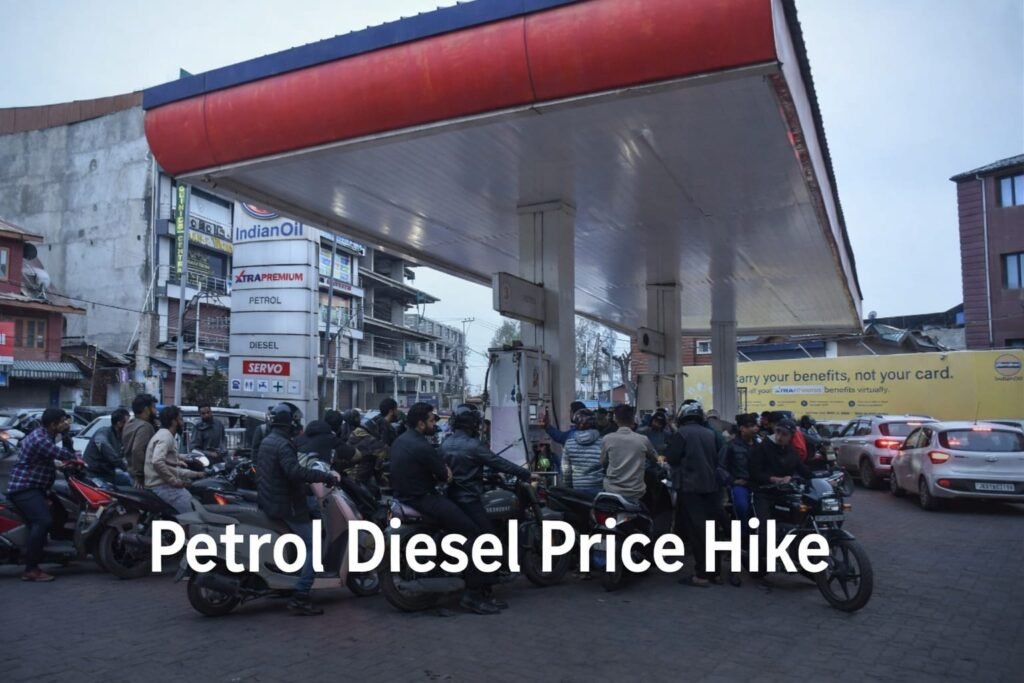
Petrol Diesel Price Hike 2026: Key Developments You Must Know
Government Action:
The central government slashed the excise duty on petrol by ₹10 and diesel by ₹10, bringing diesel duty effectively to zero. This step was taken to control rising inflation and provide relief to the public.
Private Hikes:
Nayara Energy, which operates nearly 7,000 pumps, increased petrol prices by approximately ₹5.30 and diesel by ₹3 per litre in late March. This reflects the pressure private companies are facing due to global price surges.
Market Impact:
Despite the excise cut, pump prices remained volatile due to nearly a 50% surge in international oil prices following the West Asia crisis. This volatility is a key highlight of the Petrol Diesel Price Hike 2026.
Price Levels Across Cities:
Petrol remained above ₹100/litre in several major cities. For example, Hyderabad recorded around ₹107.50, while Mumbai stood at ₹103.54 as of March 27, 2026.
Export Duty Update:
The government also reinstated export taxes on diesel (₹21.5/litre) and ATF (₹29.5/litre), indicating efforts to balance domestic supply and global demand pressures.
Why Petrol Diesel Price Hike 2026 Is Happening?
West Asia Conflict:
Escalating tensions in West Asia have disrupted shipping routes, especially through the Strait of Hormuz. This is the primary reason behind the Petrol Diesel Price Hike 2026.
Crude Oil Surge:
Brent crude prices have surged significantly, with forecasts suggesting levels could touch $120. This directly impacts fuel prices in India.
High Import Dependency:
India imports over 90% of its oil requirement, making it highly vulnerable to global price fluctuations.
OMC Losses:
While state-run companies held prices steady for over 11 months, private firms have now raised rates to manage mounting losses due to high input costs.
Government Intervention:
To ease inflationary pressure, the government reduced excise duty in March 2026, even though market conditions suggest prices should be higher. This move aims to shield citizens from sudden spikes.
Also Read: PNG Mandatory in India 2026: 90-Day Deadline to Switch or Lose LPG – Big Energy Shift Explained
Petrol Diesel Price Hike 2026: Impact on Common People
Rising fuel costs directly increase transportation costs and retail inflation. Everyday goods, delivery charges, and travel expenses are all impacted due to the Petrol Diesel Price Hike 2026.
However, there is a slight relief. The hike in premium petrol is expected to impact only 2–4% of total daily petrol sales, mainly affecting luxury vehicle owners rather than the general public.
The government’s tax cuts have helped maintain regular fuel prices closer to early 2026 levels, preventing a major shock for consumers.
What’s Next? Risks and Government Strategy
Industrial Diesel Impact:
Industrial diesel prices have seen upward revision, which may affect specific sectors like logistics and manufacturing.
Supply Security Measures:
India has diversified its crude sourcing to reduce dependency on disrupted routes like the Strait of Hormuz.
Inflation Risk:
Continued high global oil prices could impact India’s fiscal balance and increase transport costs, potentially raising prices of essential goods.
The need for price adjustments in 2026 comes from balancing massive fiscal losses for companies while protecting consumers from extreme market-driven price spikes.
What’s Next? Risks and Government Strategy
In summary, the government is prioritizing the protection of the common man from rising fuel costs through tax cuts, despite significant volatility in the global oil market in early 2026. While global pressures continue, efforts are being made to keep prices under control.
We are sure that this update will help our viewers stay aware of changing fuel prices before going to refill their vehicles.
What do you think about the Petrol Diesel Price Hike 2026? Are fuel prices affecting your daily budget? Share your thoughts in the comments below!
Disclaimer: This article is published for informational purposes only. Readers are advised to verify details from official sources before making any decisions. The website is not responsible for any loss or damage arising from the use of this information.