ChatGPT Boycott 2026: Quit GPT? Millions Boycott ChatGPT After Pentagon Deal — What’s Really Happening in 2026?
In earlier blogs, we have already discussed how AI will impact our professional life. But in today’s blog, we are going to discuss why users are suddenly boycotting ChatGPT.
As of early 2026, ChatGPT is facing a significant backlash—often dubbed the “Quit GPT” movement—driven by a combination of political, ethical, and user-experience issues. While ChatGPT remains a dominant AI platform developed by OpenAI, the protest is being led by a mix of users, activists, and former fans who are migrating to alternatives like Anthropic’s Claude, which has reportedly seen a surge in usage.
The ChatGPT Boycott 2026 trend has gained momentum across social media platforms, raising serious questions about the future direction of the company.
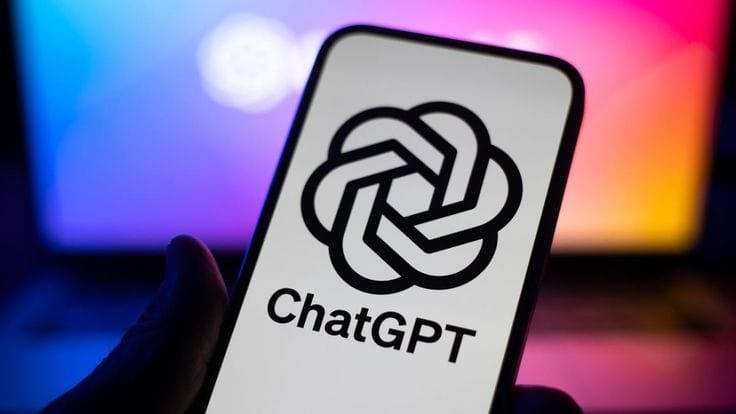
Pentagon Deal Triggers the ChatGPT Boycott 2026
Sam Altman is facing a costly situation after signing a deal with the Pentagon—something Anthropic had reportedly refused. After this agreement, many users began boycotting the company’s AI chatbot. Reports claim that more than 1.5 million (about 15 lakh) users left the platform in less than 48 hours following the announcement.
OpenAI’s agreement allows the U.S. Department of Defense to deploy its AI models in classified networks. This move triggered backlash from users who prefer to steer clear of military-related AI, leading many to switch to competitors.
The ChatGPT Boycott 2026 debate intensified as activists urged users to “send a clear signal” against what they described as troubling corporate alignments.
Political Donations Spark Fresh Controversy
Reports indicate that OpenAI President Greg Brockman donated $25 million to MAGA Inc., a pro-Trump group, in 2025. Reports also mention CEO Sam Altman contributing to political funds.
These revelations have added fuel to the ChatGPT Boycott 2026, with critics arguing that leadership’s political involvement is influencing public perception of the company.
Activists claim the boycott is necessary to protest the company’s perceived alignment with certain political figures.
ICE, Immigration Tools & Ethical Concerns
Protesters are also angered by reports that U.S. Immigration and Customs Enforcement (ICE) uses OpenAI-powered tools for immigration raids. Specifically, claims suggest that a GPT-4-powered resume-screening tool was used for deportation-related roles.
Although the company has not confirmed operational details publicly, the association alone has sparked outrage among a section of users.
For many, the ChatGPT Boycott 2026 is about ethics as much as politics.
Model Changes Add to User Frustration
The backlash is not limited to politics. Users also protested the retirement of the popular GPT-4o model, which many described as “warmer” and more human-like. Some users felt that replacing it with newer, more restrictive models was a “slap in the face.”
Additionally, some users report that newer versions, such as GPT-5.2, feel “boring” or “robotic,” with increased hallucinations.
This dissatisfaction has contributed significantly to the ChatGPT Boycott 2026, as long-time users question whether the platform’s quality has declined.
Rising Competition & Privacy Concerns
ChatGPT’s market share has reportedly decreased, while competitors like Google Gemini have seen a rise in active users.
At the same time, increased awareness about how AI models are trained—often using large-scale user data—has led many to seek more secure and private AI alternatives.
For privacy-conscious users, the ChatGPT Boycott 2026 reflects growing concerns about transparency and consent in AI development.
Why the ChatGPT Boycott 2026 Matters
In short, the protests stem from political disagreements with leadership, ethical objections to business partnerships, and user dissatisfaction with perceived declines in AI quality.
As of early 2026, millions have pledged to stop using the platform, making the ChatGPT Boycott 2026 one of the biggest tech controversies of the year.
Whether this movement will cause long-term damage or fade over time remains to be seen. But one thing is clear: users today are not just consumers—they are vocal stakeholders.
We hope this blog provides you with clear insight into why ChatGPT is facing backlash after signing the Pentagon deal.
What do you think about the ChatGPT Boycott 2026? Is this a temporary outrage or a turning point in AI history? Share your thoughts in the comments below.
Disclaimer: This article is published for informational purposes only. Readers are advised to verify details from official sources before making any decisions. The website is not responsible for any loss or damage arising from the use of this information.